
Three-Season Sunrooms
Affordable sunroom solutions perfect for enjoying Arizona's beautiful spring, fall, and winter weather.
Understanding Three-Season Sunrooms
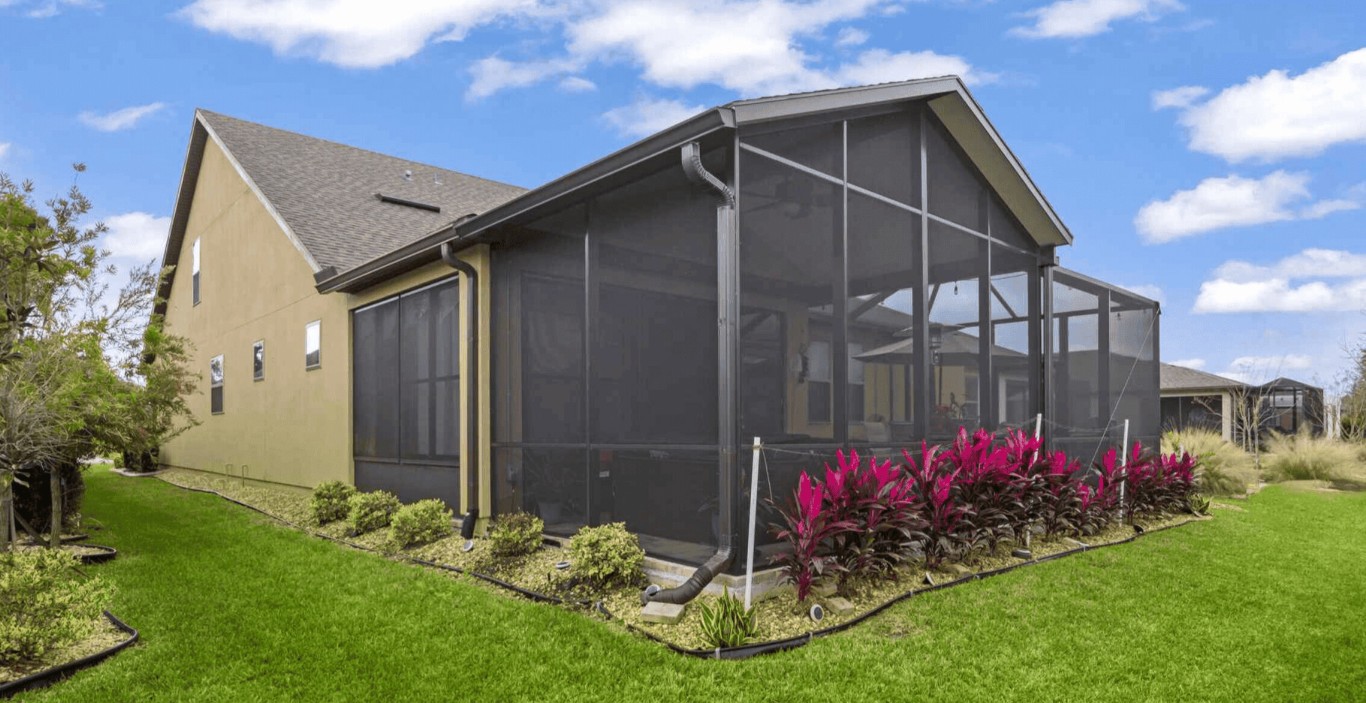
Three-season sunrooms are designed for comfortable use during spring, fall, and winter months when Arizona weather is at its best. Unlike four-season rooms that include full insulation and climate control, three-season designs focus on protection from insects, dust, and light rain while maximizing airflow and natural ventilation. This simpler construction approach makes three-season sunrooms more affordable while still adding valuable living space to your home.
The beauty of a three-season sunroom is its versatility. You get a bright, airy space that brings you closer to the outdoors without the bugs and debris that come with open patios. Large windows or screen panels allow breezes to flow through, creating a comfortable environment during mild weather. When temperatures are perfect, your sunroom becomes an extension of your outdoor living area where you can relax, entertain, or enjoy hobbies surrounded by natural light.
Many Arizona homeowners choose three-season sunrooms because they use them heavily for most of the year. From October through May, when daytime temperatures range from comfortable to perfect, your sunroom provides an ideal space for everything from morning coffee to evening gatherings. The lower cost compared to four-season designs makes it easier to add this outdoor living space to your Peoria home without breaking your budget.
Construction and Design Features
Frame and Structure
Three-season sunrooms use aluminum framing systems that provide strength and durability without the thermal breaks required for year-round climate control. The frames support glass panels, screen panels, or a combination of both depending on your preferences. Aluminum never rots, warps, or requires painting, giving you a structure that looks good and performs well for decades with minimal maintenance.
We engineer every three-season sunroom to handle Arizona wind loads and weather conditions. The foundation can be a concrete slab, an attachment to your existing deck or patio, or a pier system depending on your property and budget. Roof structures typically use either insulated panels for better shade or translucent panels that allow filtered light through. We help you choose the right combination based on how you plan to use your space.
Window and Screen Options
The walls of your three-season sunroom can be all glass, all screens, or a mix of both. Glass panels provide protection from wind and dust while allowing you to enjoy views and natural light. Screen panels maximize airflow and give you that open-air feeling without insects. Many homeowners choose a combination, with glass on windward sides and screens on protected sides to balance ventilation with weather protection.
Operable windows add flexibility by letting you control ventilation. Sliding windows, single-hung windows, or awning windows can be positioned to catch prevailing breezes. For maximum openness, some designs incorporate large sliding panels or fold-away glass walls that transform your sunroom from an enclosed space to a covered patio in seconds. These features make three-season rooms incredibly versatile for Arizona's changing weather patterns.
Roofing Systems
Roof options for three-season sunrooms range from solid insulated panels to combination systems with skylights or clear panels. Solid roofs provide excellent shade and weather protection, essential for comfort even during cooler months when the sun is still intense. Partial glass or polycarbonate roofs add natural light while maintaining some shade. We design roof systems with proper pitch and drainage to handle monsoon rains effectively. Similar roofing approaches are used in patio covers and pergolas, adapted for the enclosed nature of a sunroom.
When to Choose a Three-Season Design
Three-season sunrooms work best when you understand their intended use and limitations. They excel in situations where you want protected outdoor living space for most of the year without the investment required for full climate control. Here are scenarios where three seasons sunrooms make the most sense:
- Budget-conscious projects where you want to maximize space while keeping costs manageable
- Homes where extending HVAC systems would be difficult or expensive
- Properties with existing covered patios or decks that you want to enclose
- Entertainment spaces used primarily during comfortable weather months
- Pool or spa areas where you want protection from wind and debris
- Hobby or craft spaces that benefit from natural light and ventilation
It's important to have realistic expectations about summer use. Even with fans and shade, most three-season sunrooms in Arizona become uncomfortably warm from June through August. If you need a space you can use comfortably every day of the year, a four-season design with proper insulation and climate control is the better choice. We help you evaluate your specific situation and recommend the approach that fits your needs and budget.
Enhancing Comfort in Your Three-Season Room
While three-season sunrooms aren't designed for summer heat, several strategies can extend their comfortable use into warmer months and make them more enjoyable year-round. Ceiling fans are essential for moving air and creating cooling breezes. Position multiple fans to ensure good circulation throughout the space. Variable speed controls let you adjust airflow based on current conditions.
Window treatments add another layer of control. Retractable shades, blinds, or curtains give you options for managing sun exposure and privacy. Choose light-colored fabrics that reflect heat rather than absorbing it. For floor comfort, outdoor-rated rugs add warmth during cooler months and define seating areas. Portable heaters can extend use into occasional chilly evenings, though they're not a substitute for the integrated climate control found in four-season designs.
If you later decide you want year-round climate control, many three-season sunrooms can be upgraded. This involves adding insulation, upgrading to insulated glass, and installing HVAC equipment. While it's more cost-effective to build a four-season room initially, the upgrade path exists if your needs change. Our sunroom conversion services can help you understand what's involved in transforming a three-season room into year-round space.
Cost and Value Comparison
Three-season sunrooms typically cost thirty to fifty percent less than comparable four-season designs. Basic three-season rooms start around ten to fifteen thousand dollars, while more elaborate designs with premium features might reach twenty-five to thirty thousand dollars. These lower costs come from simpler construction, fewer materials, and no climate control integration. You still get quality construction and attractive design, just without the insulation and HVAC components.
The value proposition depends on your lifestyle and how you'll use the space. If you mainly entertain during pleasant weather months, host outdoor gatherings, or want a comfortable spot for morning coffee and evening relaxation during peak seasons, a three season porch delivers excellent value. You'll use it heavily for eight to nine months of the year, which is more than many homeowners use their four-season rooms when you consider how often people actually spend time in any single room.
Installation timelines are often shorter for three-season rooms since there's no insulation work or HVAC integration. Simple projects can be completed in one to two weeks, getting you into your new space quickly. Operating costs are minimal since you're not heating or cooling the room. The main consideration is whether seasonal use matches your lifestyle. We provide honest guidance to help you make the right decision rather than simply selling you the most expensive option.
Permits and Building Requirements
Three seasons sunrooms require building permits in Peoria, though the requirements are sometimes less stringent than for four-season designs since they're not typically classified as conditioned living space. Permits ensure your structure meets wind load requirements, has proper footings or foundation, and complies with setback regulations. We handle all permit applications and coordinate required inspections so you don't have to navigate the bureaucracy.
Electrical permits are needed if you're adding outlets, lights, or ceiling fans. We coordinate with licensed electricians to ensure all electrical work meets code. If your sunroom attaches to your house, building inspectors verify that the connection is properly flashed and weatherproofed to prevent water damage. These requirements protect your investment and ensure your sunroom performs reliably for years.
Homeowners association approvals may also be required depending on where you live. We can provide drawings and specifications your HOA needs to review the project. Most HOAs appreciate professionally designed and built additions that enhance rather than detract from neighborhood appearance. Proper documentation and communication usually result in straightforward approval processes.