Pergolas, Patio Covers & Outdoor Structures
Custom outdoor structures that provide shade, style, and comfortable living space for your backyard.
Enhancing Your Outdoor Living Space
Outdoor structures transform your backyard from unused space into functional living areas where you actually want to spend time. In Arizona's climate, shade is essential for comfortable outdoor living. Without protection from intense sun, patios and decks are unusable for much of the day. Pergolas, patio covers, and other shade structures make your outdoor space livable by blocking direct sun while maintaining an open-air feeling that keeps you connected to nature.
These structures also add architectural interest and value to your property. A well-designed pergola or patio cover complements your home's style and creates distinct outdoor rooms for different activities. You might have a covered dining area near your kitchen, a lounge space with comfortable seating, or a shaded spot for your hot tub or grill. Each structure serves a purpose while enhancing your yard's appearance and functionality.
Compared to fully enclosed sunrooms, outdoor structures offer a different kind of value. They cost less to build, require simpler permitting, and maintain that indoor-outdoor flow many people love. You're outside enjoying fresh air and breezes, but you have protection from sun and light rain. For many Arizona homeowners, this balance is perfect for their lifestyle and budget.
Types of Outdoor Structures
Traditional Pergolas
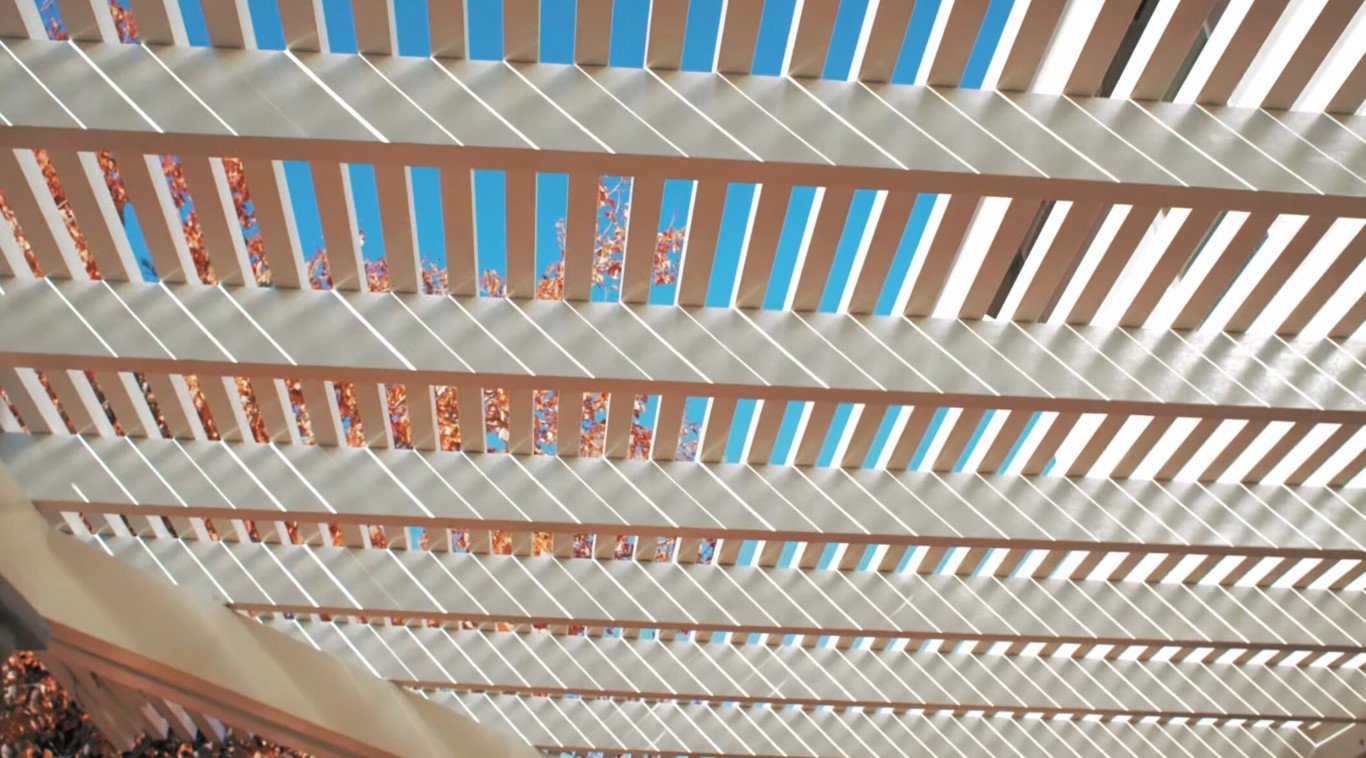
Pergolas feature open lattice roofs supported by posts and beams. The lattice design provides partial shade while allowing air circulation and creating interesting light patterns throughout the day. Traditional pergolas work beautifully with climbing plants like vines that add natural shade and beauty as they grow. The open design keeps pergolas feeling light and airy rather than enclosed.
We build pergolas from various materials including wood, aluminum, and vinyl. Each material has advantages. Wood offers natural beauty and can be stained or painted to match your home. Aluminum provides maintenance-free durability with clean modern lines. Vinyl mimics wood appearance without the upkeep. Your choice depends on your aesthetic preferences, budget, and how much maintenance you want to deal with over time.
Solid Patio Covers
Solid patio covers provide complete protection from sun and rain. They use insulated roof panels or other solid materials that create full shade underneath. Solid covers make patios usable in any weather and protect your outdoor furniture from the elements. They're ideal when you want maximum shade and weather protection without enclosing the space like a patio enclosure would.
Design options for solid covers include flat roofs, sloped roofs for drainage, and gable or hip roof styles that match your home's architecture. We integrate gutters and downspouts to manage water runoff. Ceiling fans and lights can be added for comfort and functionality. The posts and beams are engineered to support the roof structure and meet local building codes for wind and load requirements.
Louvered Roof Systems
Louvered roof systems feature adjustable slats that you can open or close to control sun and ventilation. When open, they function like pergolas with partial shade and airflow. When closed, they provide full weather protection similar to solid roofs. This versatility makes louvered systems popular for homeowners who want options depending on weather and how they're using the space.
Modern louvered systems use motorized controls that adjust the louvers with a button press or through smartphone apps. Some integrate rain sensors that automatically close louvers when precipitation is detected. The slats are typically aluminum with baked-on finishes that resist fading and require no maintenance. While louvered systems cost more than traditional pergolas or solid covers, the flexibility they provide is worth the investment for many people.
Shade Sails and Canopies
Shade sails use fabric stretched between posts or attachment points to create shade. They offer contemporary styling with curved, flowing shapes that add visual interest. Sails are more affordable than traditional structures and can cover large areas with fewer support posts. The fabric blocks UV rays while allowing air to flow through, keeping the area underneath cooler than solid roofs would.
Design and Customization
Your outdoor structure should complement your home's architecture while serving your specific needs. We work with you to design structures that fit your property, budget, and lifestyle. Key design considerations include:
- Size and placement: Based on available space, sun angles, and how you plan to use the area
- Attached versus freestanding: Attached structures connect to your home and often cost less; freestanding can be positioned anywhere in your yard
- Roof style and pitch: Matching your home's roofline creates visual harmony
- Material and color choices: Coordinate with your home's exterior for a cohesive appearance
- Post spacing and size: Affects sightlines, structural requirements, and overall look
- Integrated features: Lighting, ceiling fans, electrical outlets, speakers, or heating elements
We provide 3D renderings or detailed drawings showing what your finished structure will look like. This visualization helps you make confident decisions about design details before construction begins. Our experience means we can suggest options you might not have considered that enhance function or appearance. The goal is creating an outdoor structure you'll love and use for years to come.
Materials and Construction Quality
Wood Construction
Wood pergolas and covers offer timeless beauty and natural warmth. We use treated lumber designed for exterior use that resists rot and insects. Popular species include cedar and redwood for their natural rot resistance and attractive grain patterns. Wood can be left natural to weather into a silvery gray patina, or stained and sealed to maintain its original color and protect against moisture and sun damage.
The tradeoff with wood is maintenance. Stained wood needs resealing every few years to maintain protection and appearance. Even naturally rot-resistant wood benefits from occasional treatment. However, many homeowners accept this maintenance because they love wood's aesthetic and how it complements traditional home styles. Properly maintained wood structures last decades and develop character as they age.
Aluminum and Metal
Aluminum structures offer maintenance-free convenience with modern styling. Extruded aluminum posts and beams are finished with powder coating that resists fading and requires no painting or sealing. Aluminum doesn't rot, warp, or attract insects. It withstands Arizona's intense sun and temperature extremes without degrading. For homeowners who want to install and forget, aluminum is hard to beat.
Aluminum patio covers typically use insulated roof panels that provide excellent shade and can incorporate recessed lighting or ceiling fans. The panels are engineered to meet structural requirements while keeping weight manageable. Color options include white, bronze, and various contemporary finishes. Aluminum construction methods allow for larger spans between posts compared to wood, creating more open feeling spaces.
Vinyl and Composite Materials
Vinyl pergolas provide wood-like appearance without maintenance requirements. Vinyl is molded to replicate wood grain and comes in white or various colors. It never needs painting or staining and cleans easily with soap and water. Composite materials combine wood fibers with plastic to create products that look and feel more like real wood than pure vinyl while maintaining low maintenance characteristics. These materials work well for homeowners who want traditional styling with modern convenience.
Installation Process
Planning and Permits
Installation begins with site evaluation and detailed planning. We assess your yard's layout, sun angles, existing landscaping, and underground utilities. For attached structures, we evaluate connection points to your home. Once the design is finalized, we handle permit applications. Most permanent outdoor structures require building permits to ensure they meet structural and setback requirements.
Foundation and Post Installation
Strong foundations are critical for structure longevity and safety. We dig post holes to required depths and install posts in concrete footings sized for your structure and local soil conditions. Posts are set perfectly plumb and aligned before concrete cures. For attached structures, we install ledger boards on your home's exterior with proper flashing to prevent water damage. This foundation phase typically takes one to two days.
Frame and Roof Construction
With posts set, we install beams, rafters, and lattice or roof panels depending on your design. All connections are engineered and secured according to manufacturer specifications and building code requirements. Roof panels are sealed and flashed properly to prevent leaks. For structures with electrical components, licensed electricians rough in wiring during this phase. The framework comes together quickly, usually within a few days for typical residential projects.
Finishing and Inspection
Final work includes installing trim, completing electrical finish work like fans and lights, applying stain or paint if applicable, and thorough cleanup. We schedule final building inspection and ensure all work meets code requirements. Total installation time varies from a few days for simple pergolas to two weeks for complex covered patio projects. You'll have a finished structure ready to enjoy almost immediately. Similar to our screen room installations, the process is straightforward and minimizes disruption to your property.
Cost and Investment Value
Outdoor structure costs vary widely based on size, materials, and complexity. Basic wood pergolas start around three to six thousand dollars for small structures. Larger pergolas or those with premium materials range from eight to fifteen thousand dollars. Solid patio covers typically cost eight to twenty thousand dollars depending on size and features. Louvered roof systems are more expensive, usually fifteen to thirty-five thousand dollars, but offer unique functionality.
The return on investment comes through daily use and lifestyle improvement. A comfortable outdoor living space extends your usable square footage without the cost of indoor additions. You'll spend more time outside, entertain more often, and enjoy your property more fully. For resale, attractive outdoor structures appeal to buyers and can differentiate your home in competitive markets.
Operating costs are minimal. Maintenance-free materials like aluminum require only occasional cleaning. Wood structures need periodic staining or sealing but otherwise cost little to maintain. There are no utility bills unless you add heating elements. Overall, outdoor structures provide excellent value by enhancing your lifestyle while requiring minimal ongoing investment. When comparing options, also consider three-season sunrooms which offer different benefits depending on your priorities.