Sunroom Conversions & Upgrades
Transform your existing sunroom or patio into a more comfortable, efficient, and valuable space.
Why Consider Sunroom Conversions
Many Arizona homes have existing sunrooms, patio enclosures, or covered patios that aren't living up to their potential. Maybe your three-season sunroom gets too hot in summer to use comfortably. Perhaps your screen room could be more functional with glass panels. Or you have an open patio that would be perfect as enclosed space. Converting or upgrading these existing structures often costs less than building new while dramatically improving your comfort and home value.
The conversion process takes what you already have and makes it better. Your existing foundation, roof structure, and basic framing provide a head start that reduces construction time and expense. We evaluate your current structure, identify what can be reused, and develop a plan that maximizes value while minimizing waste. The result is a refreshed space that feels like new without the full cost of starting from scratch.
Conversions also let you address problems with your current space. If you have an older sunroom with outdated single-pane glass that makes the room unusable in extreme temperatures, upgrading to modern insulated glass transforms its usability. If your patio would be perfect with walls and climate control, conversion creates the four-season room you've always wanted. We help you see the possibilities in what you already own.
Types of Sunroom Conversions
Three-Season to Four-Season Conversion
The most common conversion transforms a three-season sunroom into year-round living space. This involves upgrading single-pane glass to insulated double or triple-pane units, adding or improving insulation in the roof and foundation, upgrading frames with thermal breaks if needed, and installing heating and cooling equipment. The existing structure provides the bones; we add the performance features that make it comfortable in all seasons.
Not every three-season room is a good candidate for four-season conversion. We evaluate the frame strength to ensure it can support heavier insulated glass. We check that the foundation has adequate insulation or can be upgraded. We verify the roof structure is sound and can accommodate insulation panels. When the existing structure is suitable, conversion costs typically run fifty to seventy percent of building a new four-season sunroom, making it an attractive option.
Patio to Sunroom Conversion
Converting an existing covered patio or screened porch into a sunroom gives you enclosed living space using your current foundation and often your existing roof structure. We add walls with windows or glass panels, install doors for access, integrate climate control if desired, and finish the interior to match your home. This type of conversion is similar to a patio enclosure but often involves more substantial modifications to create fully finished living space.
The key is having a solid existing structure to work with. Your patio slab should be in good condition and properly sized. If there's a roof cover, we assess its structural capacity and condition. Sometimes roof replacement or reinforcement is necessary as part of the conversion. The benefit is that you're working with an established footprint that's already integrated into your property's layout and landscape.
Screen to Glass Conversion
Some homeowners start with a screen room and later decide they want the weather protection of glass. This conversion replaces screen panels with glass windows or panels while keeping the existing frame if it's structurally adequate. Glass conversions provide wind and rain protection, reduce dust infiltration, and allow for climate control if you choose to add it. The space becomes more versatile and usable throughout the year.
Common Sunroom Upgrades
Even if you don't want a full conversion, targeted upgrades can significantly improve your existing sunroom. Here are the most impactful improvements homeowners request:
- Glass replacement: Upgrade old single-pane glass to energy-efficient insulated units with Low-E coatings
- Climate control addition: Install mini-split HVAC systems or extend your existing ductwork for heating and cooling
- Insulation improvements: Add or upgrade roof insulation, insulate the foundation, seal air leaks
- Door upgrades: Replace old doors with modern energy-efficient models that seal better and operate smoothly
- Ceiling fans and lighting: Improve comfort and ambiance with updated electrical fixtures
- Floor refinishing: Tile, refinish, or replace worn flooring to refresh the space
- Window treatments: Add shades, blinds, or curtains for sun control and privacy
These upgrades can be done individually or combined based on your priorities and budget. Each improvement enhances comfort, efficiency, or appearance. We help you prioritize which upgrades deliver the most value for your specific situation and goals.
Evaluating Your Existing Structure
Successful conversions start with honest assessment of what you have. We visit your property to inspect the current structure's condition and capabilities. Foundation condition is critical. Cracks, settling, or damage need to be addressed before adding or upgrading walls. We evaluate whether the existing foundation can support additional loads if you're upgrading to heavier materials.
Frame Assessment
The frame's structural integrity determines what's possible. We check for corrosion, damage, or fatigue in existing aluminum or other materials. We verify that the frame can support upgraded glass or additional loads. Sometimes frames are in perfect condition and just need new panels. Other times, frame replacement or reinforcement is necessary. We give you straightforward information about what condition the structure is in and what's feasible.
Roof Evaluation
Roof structure and condition affect nearly every conversion project. We look for leaks, water damage, or structural issues that need repair. We evaluate whether the roof can be insulated effectively or if replacement with insulated panels makes more sense. Proper drainage and weatherproofing are verified. If the roof is nearing the end of its lifespan, replacement as part of the conversion often makes financial sense rather than putting new money into an old structure that will need work soon anyway.
Code Compliance Review
Older sunrooms may not meet current building codes. Converting or significantly upgrading a structure sometimes requires bringing it up to current standards. This might involve adding egress windows for safety, upgrading electrical systems, improving structural connections, or addressing setback issues if your property lines have changed. We identify any code compliance concerns during the evaluation phase so you understand what's required. If you have concerns about existing damage, our repair services can address these issues.
The Conversion Process
Planning and Design
After evaluating your existing structure, we develop a conversion plan that addresses your goals while working within the constraints of what's already there. You'll see detailed drawings showing what the finished space will look like. We discuss material options, timeline expectations, and budget considerations. The design phase ensures everyone understands the project scope before work begins.
Demolition and Preparation
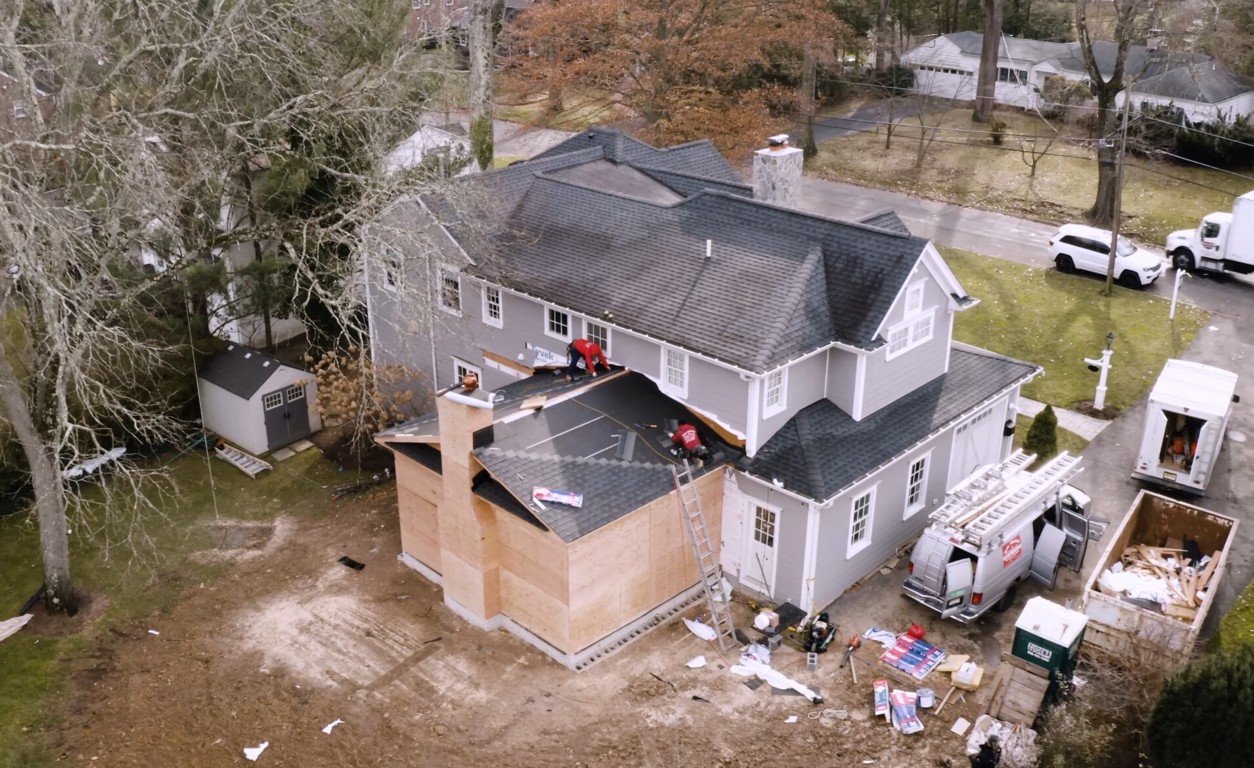
Conversion work typically starts with removing whatever needs to be replaced. This might involve taking out old glass panels, removing worn screen material, or stripping damaged roofing. We protect and preserve elements that will be reused. The work area is prepared for installation of new components. Any repairs to the existing structure happen during this phase.
Installation and Finishing
New components are installed following the same quality standards we use for new construction. Insulated glass units are properly sealed and secured. Insulation is installed in roofs and foundations. Climate control equipment is set up and tested. Electrical work is completed by licensed electricians. Finishing touches like trim, paint, or flooring complete the transformation. The timeline varies based on project scope but typically ranges from one to four weeks.
Final Inspection
Conversion projects require building permits and inspections just like new construction. We coordinate all required inspections and ensure the work meets code requirements. Final walkthrough with you ensures you understand how everything works and that you're completely satisfied with the results. Warranty information and maintenance guidance are provided so you can enjoy your converted space for years to come.
Cost and Value of Conversions
Conversion costs vary widely depending on what you're starting with and what you want to achieve. Simple upgrades like replacing glass or adding ceiling fans might cost three to eight thousand dollars. Three-season to four-season conversions typically range from fifteen to thirty-five thousand dollars depending on the size and extent of work needed. Full patio-to-sunroom conversions fall somewhere between patio enclosures and new sunroom construction, usually twenty to forty thousand dollars.
The value proposition depends on comparing conversion costs to new construction costs. If conversion costs seventy percent of new but gives you ninety percent of the benefit, it's probably a good deal. If conversion costs only slightly less than new construction, starting fresh might make more sense since you get exactly what you want without compromises based on existing structure limitations. We provide honest guidance to help you make the right financial decision.
Increased home value from conversions typically matches or exceeds the investment, especially when you're transforming unusable space into year-round living area. The daily quality of life improvement also factors into value. If conversion means you actually use the space instead of avoiding it due to discomfort, that's valuable regardless of future resale considerations. Many homeowners find that conversions deliver the best combination of cost savings and functional improvement.