
Screen Rooms
Enjoy the outdoors without insects, debris, or harsh sun with custom screen room installations.
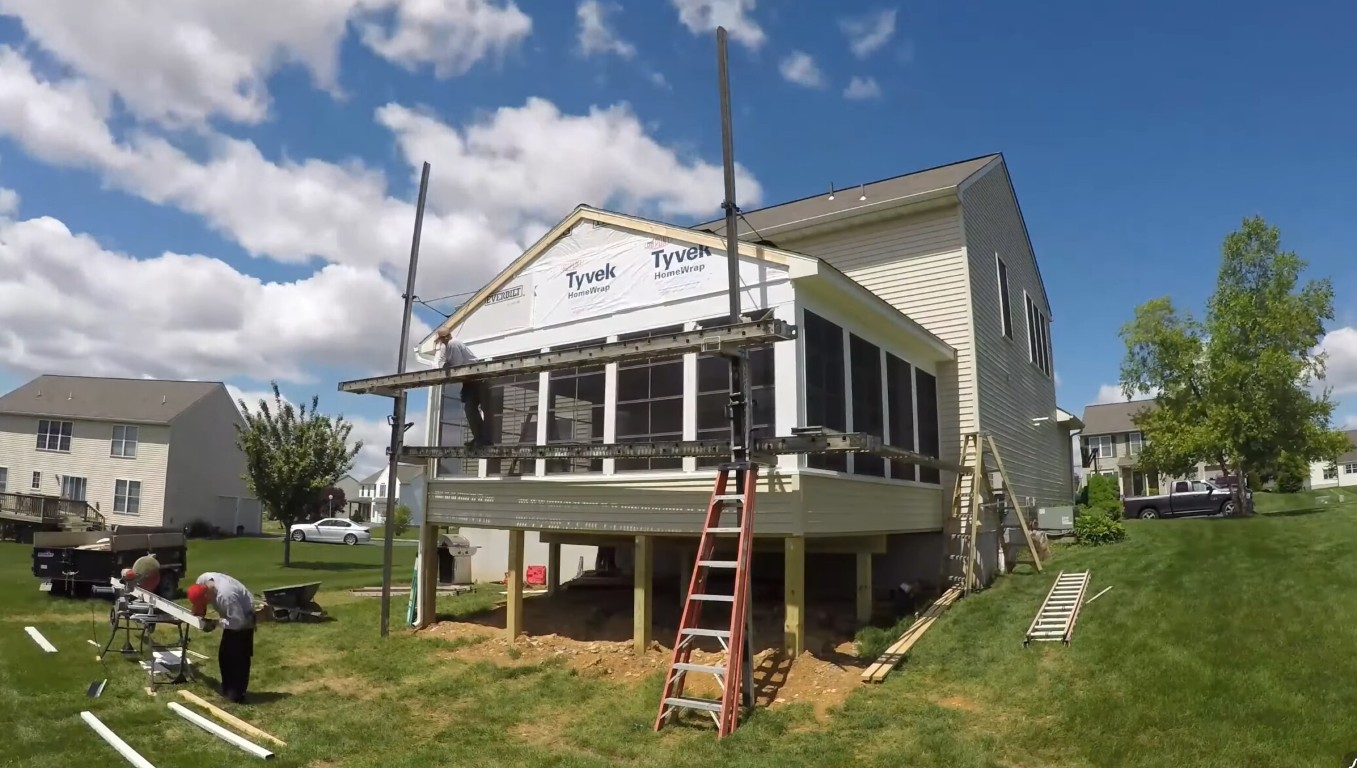
The Benefits of Screen Rooms
Screen rooms give you the best of outdoor living without the frustrations. You feel the breeze, hear the birds, and enjoy natural ventilation while staying protected from mosquitoes, flies, and other insects. In Arizona, screen rooms also block wind-blown dust and debris that make open patios dirty and uncomfortable. The shade from roof structures keeps you cooler than sitting in direct sun, yet you maintain that open-air feeling that makes outdoor spaces so appealing.
Screen rooms work particularly well for pool and spa areas. They keep leaves and debris out of your water, reducing maintenance and chemical needs. The screen provides privacy from neighbors while maintaining airflow that prevents the humidity issues you'd get with a fully enclosed space. Many homeowners use screen rooms as outdoor dining areas, comfortable lounging spaces, or workshop and hobby areas where ventilation is important but bugs are a problem.
The cost-effectiveness of screen rooms makes them accessible for many budgets. Because screens cost far less than glass and require simpler framing systems, you get substantial covered space without the investment required for four-season sunrooms. Installation is quick, often completed in just a few days to a week. You can start enjoying your new space almost immediately after deciding to move forward with the project.
Screen Room Design Options
Freestanding Screen Rooms
Freestanding screen rooms stand independently in your yard rather than attaching to your house. This design works well when you want to create a poolside cabana, a garden retreat, or a separate entertainment space. Freestanding structures can be positioned to take advantage of views, shade trees, or privacy from neighboring properties. They add architectural interest to your landscape while providing functional covered space.
The construction process for freestanding rooms starts with a foundation, typically concrete piers or a full slab depending on size and intended use. The aluminum frame includes posts, beams, and roof structure engineered to stand independently without relying on your home for support. Screen panels are installed in the frame openings, and doors provide access. Electrical wiring can be trenched from your house to provide lighting and ceiling fans.
Attached Screen Rooms
Attached screen rooms connect to your home, typically extending from a back door or converting an existing covered patio. This design creates a transition zone between indoor and outdoor living. You can step directly from your kitchen or living room into the screen room without going outside. The attached approach feels more like an extension of your home's living space.
Building an attached screen room requires careful attention to where it connects to your house. We install proper flashing to prevent water infiltration and ensure the attachment is structurally sound. The roof of the screen room either ties into your existing roofline or has its own independent structure that's sealed against your home's exterior wall. This integration creates a seamless appearance that looks like the screen room was part of your original home design. The concept is similar to our patio enclosure work, using screens instead of glass or a combination of materials.
Pool and Spa Enclosures
Pool enclosures are a specialized type of screen room designed specifically around swimming pools and spas. They need to be tall enough for diving or water features, with doors positioned for easy pool access and equipment maintenance. The screen keeps bugs out during evening swims and prevents leaves and debris from falling into the water. In Arizona, pool enclosures reduce evaporation, lowering your water usage and chemical costs while making the pool more comfortable by blocking wind.
Materials and Construction Quality
Quality screen rooms start with strong aluminum framing. We use extruded aluminum profiles engineered for structural strength while remaining lightweight and maintenance-free. The aluminum is finished with baked-on powder coating that resists fading and corrosion. Common colors include white, bronze, and gray to coordinate with your home's exterior. The framing never needs painting and holds up to decades of sun exposure without degrading.
Screen material options include:
- Fiberglass screen: Most common option, resists rust and corrosion, available in various colors to match your frame
- Aluminum screen: More durable than fiberglass, resists tears and pet damage, reflects more heat for better shade
- Solar screen: Blocks more sun and UV rays while maintaining visibility and airflow, helps keep the space cooler
- Pet-resistant screen: Heavy-duty material designed to withstand claws and impact from animals
- No-see-um screen: Finer mesh that blocks even tiny insects, though it reduces airflow slightly
Roof options range from screen panels that allow rain to pass through to solid insulated panels or translucent panels that provide weather protection. Many Arizona screen rooms use solid roofs for better shade and rain protection, with screen panels only in the walls. We help you choose the right combination based on how you'll use the space and what kind of protection you need from sun and weather.
Installation Process
Planning and Site Preparation
We start by measuring your space and discussing how you want to use the screen room. For attached rooms, we evaluate the connection point to your home. For freestanding structures, we help you choose the best location based on sun exposure, views, access, and existing landscape features. Site preparation involves marking the footprint, verifying underground utilities, and preparing the foundation area.
Foundation and Frame Installation
Foundation work depends on whether you're building on an existing concrete patio or creating a new foundation. New foundations typically use concrete piers that support the posts, with optional concrete slab flooring if desired. Some homeowners prefer leaving the existing ground as-is or adding pavers or gravel. The aluminum frame goes up quickly once the foundation is ready, usually within a day or two for typical residential projects.
Screen and Door Installation
Screen panels are installed in the frame openings using rubber spline that holds them tightly in place. This method allows for easy screen replacement in the future if panels become damaged. Doors are hung and adjusted for smooth operation. We typically install spring-loaded screen doors that close automatically, though sliding screen doors work better for large openings. All hardware is stainless steel or aluminum to resist corrosion.
Finishing and Cleanup
Final touches include installing trim pieces, completing any electrical work for lights or ceiling fans, and thorough site cleanup. We remove all construction debris and sweep or wash the floor if applicable. The entire process typically takes three to seven days depending on the size and complexity of your screen room. You can start using the space immediately upon completion.
Cost Considerations
Screen rooms are one of the most affordable ways to add covered living space to your property. Basic screen rooms start around three to five thousand dollars for simple designs. Larger, more elaborate screen rooms with solid roofs, ceiling fans, and electrical components typically range from eight to fifteen thousand dollars. Pool enclosures cost more due to their size and engineering requirements, usually falling in the twelve to thirty thousand dollar range depending on pool size and design complexity.
The value you receive extends beyond just the initial cost. A screen room protects your outdoor furniture from sun damage and weather, extending its lifespan. If you have a pool, the enclosure reduces cleaning time and chemical usage by keeping debris out. You gain usable space for eight to nine months of the year in Arizona's climate, far more than an open patio provides. The structure adds to your home's appeal and can positively impact resale value when properly permitted and professionally installed.
Operating costs for screen rooms are minimal since there's no climate control to worry about. Ceiling fans use little electricity and make the space comfortable during warm weather. Occasional screen replacement over the years is the main maintenance expense, and even that's modest. When you compare the cost and utility of a screen room to more expensive options like three-season sunrooms, many homeowners find the screen room provides better value for their specific needs and budget.
Permits and Regulations
Screen rooms require building permits in most Arizona municipalities including Peoria. The permit process ensures your structure meets wind load requirements, has adequate foundation support, and is properly set back from property lines. We handle all permit applications and coordinate inspections as part of our service. This removes the hassle of dealing with building departments while ensuring your screen room is built to code.
If you're adding electrical components, separate electrical permits are required. We coordinate with licensed electricians to ensure all wiring meets National Electric Code standards. For pool enclosures, additional requirements may apply regarding barrier compliance and gate specifications to meet pool safety regulations. These rules exist to protect children and ensure proper pool security.
Homeowners associations often have their own approval processes for outdoor structures. We provide drawings and specifications that clearly show what will be built, making HOA review straightforward. Most associations approve well-designed screen rooms that enhance rather than detract from your property's appearance. Proper documentation of permits and approvals protects your investment and prevents issues when you eventually sell your home.