
Patio Enclosures
Transform your open patio into protected outdoor living space you can enjoy year-round.
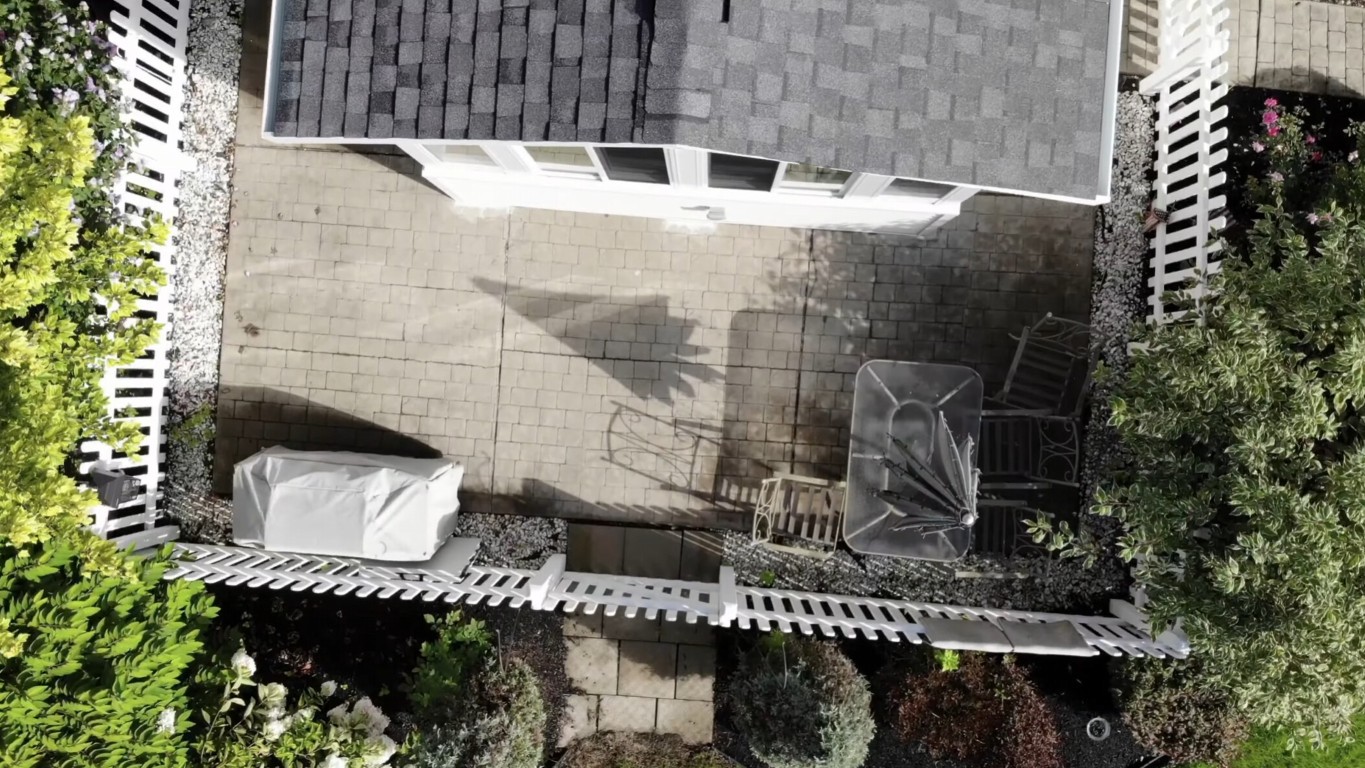
What Is a Patio Enclosure
A patio enclosure transforms your existing patio into a protected room by adding walls and sometimes a roof to the structure you already have. Instead of building a sunroom from the ground up, you're working with your current concrete slab, roof cover, or deck to create enclosed space. This approach saves money on foundation and structural work while giving you the benefits of indoor-outdoor living without the insects, dust, and weather exposure of an open patio.
Patio enclosures come in many styles depending on how you want to use the space. Some homeowners want simple screen enclosures that keep bugs out while maintaining maximum airflow. Others prefer glass panels that provide wind and rain protection with unobstructed views. You can even combine both, using glass on windward sides and screens where you want ventilation. The flexibility of patio enclosures means we can design exactly what works for your property and lifestyle.
The beauty of enclosing an existing patio is how quickly the transformation happens. Since your foundation is already in place, construction focuses on the enclosure system itself. Most projects take one to three weeks from start to finish. You go from an underused patio to a protected room that becomes one of your favorite spaces in the house. It's similar to how we build sunrooms, but leveraging the structure you already have to reduce costs and construction time.
Types of Patio Enclosure Systems
Screen Enclosures
Screen enclosures use aluminum frames with screen mesh panels to create a barrier against insects and debris while allowing air to flow freely. They're perfect for Arizona weather most of the year when you want to enjoy outdoor temperatures without dealing with bugs. Screen enclosures work especially well around pools and spas where you need ventilation to prevent humidity buildup but want protection from leaves and debris.
Modern screen materials are much more durable than traditional window screening. We use heavy-duty fiberglass or aluminum mesh designed to withstand sun exposure and resist tears. Screen panels can be fixed in place or designed as removable sections and doors for access. Colors typically match your home's trim, and the aluminum frame requires no maintenance beyond occasional cleaning. This is very similar to what we offer in dedicated screen room installations.
Glass Enclosures
Glass patio enclosures provide complete weather protection while maintaining your views. Single-pane glass works for basic three-season use, while insulated glass units offer better performance if you plan to heat or cool the space. Glass panels can be fixed, sliding, or designed as fold-away systems that let you open entire walls when weather permits. This versatility makes glass enclosures popular for patios used year-round.
For Arizona installations, we recommend glass with UV-blocking coatings that reduce heat gain and protect your furniture from fading. Tinted glass is another option that cuts glare while maintaining visibility. The framing systems we use are engineered to support large glass panels safely, with weatherproof seals that keep out rain and dust. Glass enclosures feel more like indoor rooms than outdoor spaces, perfect if you want the comfort of being inside with the brightness and connection to your yard.
Combination Systems
Many homeowners choose combination enclosures that use glass on some sides and screens on others. This gives you weather protection where you need it while maintaining airflow. A common design uses glass on the side facing prevailing winds and screens on protected sides. You get the best of both worlds: shelter when you need it and ventilation when you want it. Some systems even feature interchangeable panels that let you swap screens for glass or vice versa based on the season.
Design and Planning Considerations
Successful patio enclosures start with careful evaluation of your existing structure. We assess the condition of your patio slab, the structural capacity of any existing roof or cover, and how the enclosure will attach to your home. If your patio already has a solid roof, we design walls that integrate seamlessly. For open patios, we can add a roof structure as part of the enclosure project or work with your existing pergola or patio cover.
Key decisions you'll make during planning include:
- Enclosure type: screens, glass, or combination based on your climate control needs and budget
- Door configuration: sliding doors, French doors, or large fold-away panels for access to your yard
- Roof options: if adding a roof, choose between solid insulated panels, translucent panels, or open lattice depending on shade needs
- Floor treatment: seal and stain existing concrete, add tile or outdoor flooring, or leave as-is
- Electrical additions: outlets for fans, entertainment systems, or decorative lighting to enhance functionality
- Heating and cooling: ceiling fans for basic comfort or HVAC integration for year-round climate control
We provide detailed drawings and material samples so you can visualize the finished project. Our goal is to create an enclosure that looks like it was always part of your home rather than an obvious add-on. Proper design ensures the enclosure enhances your property's appearance while delivering the functionality you need. If you're comparing options, you might also want to explore three-season sunrooms, which offer similar seasonal benefits with different construction approaches.
Installation Process
Site Preparation and Measurement
Installation begins with detailed measurements of your existing patio. We verify that the slab is level, assess the condition of any overhead structure, and identify the best attachment points to your home. Any necessary repairs to the patio surface or existing structure are completed before enclosure work begins. We protect your landscaping and establish work zones that minimize disruption to your daily routine.
Frame Installation
The aluminum frame system installs quickly because we're working with your existing foundation. Posts are secured to the patio slab using specialized anchoring systems. Headers connect the posts and attach to your home's exterior wall with proper flashing to prevent water intrusion. If we're adding a roof, the structure is engineered to meet local wind and snow load requirements even though snow is rare in Peoria.
Panel and Door Installation
Once the frame is complete, we install your chosen panels. Screen panels snap into the frame system with rubber spline that holds them securely. Glass panels are sealed with weatherproof gaskets and secured according to manufacturer specifications. Doors are hung, adjusted for smooth operation, and weatherstripped to prevent air infiltration. We test everything thoroughly to ensure proper function and weather resistance.
Finishing Touches
Final steps include installing trim pieces that give your enclosure a polished appearance, completing any electrical work like ceiling fans or outlets, and thorough cleanup of the work site. We walk through the finished enclosure with you, demonstrating how doors and windows operate and answering any questions about maintenance or use. You're left with a clean, completed project ready for immediate enjoyment.
Cost and Value
Patio enclosures typically cost less than building a sunroom from scratch because you're using your existing patio as the foundation. Simple screen enclosures start around five to ten thousand dollars for basic sizes. Glass enclosures range from twelve to thirty thousand dollars depending on size, glass type, and features. If you're adding a roof structure, that adds to the cost but still usually comes in below the price of a complete sunroom.
The value you receive goes beyond just cost savings. An enclosed patio becomes usable space for most of the year instead of sitting empty during less pleasant weather. It protects your outdoor furniture from sun damage and monsoon storms, saving replacement costs over time. The enclosure keeps your patio cleaner by blocking wind-blown dust and debris. Many homeowners find their enclosed patio becomes the most-used room in the house during spring and fall.
For resale value, a professionally built patio enclosure appeals to buyers looking for low-maintenance outdoor living space. Proper permits and quality construction ensure the enclosure adds to your home's appraised value rather than being seen as a liability. The return on investment typically ranges from fifty to seventy-five percent of your costs, plus you benefit from years of personal use before any potential sale.
Maintenance and Longevity
Patio enclosures are designed for minimal maintenance. Aluminum frames never need painting and won't corrode in Arizona's dry climate. Occasional washing with mild soap and water keeps them looking fresh. Screen panels should be inspected periodically for tears or holes, which can be patched or the screen replaced if needed. Most screens last ten to fifteen years before needing replacement depending on sun exposure and wear.
Glass panels need cleaning to maintain clarity and appearance, just like windows in your home. Check door weatherstripping annually and replace it if you notice air leaks or difficulty closing. Keep door tracks clean and lubricated for smooth operation. These simple maintenance tasks take minimal time and ensure your enclosure continues performing well for decades. If you do experience any damage or issues, our repair services can address problems quickly and affordably.
Properly maintained patio enclosures last thirty years or more. The materials we use are selected for durability in harsh sun and temperature extremes. Component replacement is straightforward if something does fail over time. This longevity makes patio enclosures an excellent investment that continues delivering value year after year without requiring significant upkeep or expense.